
Our Napa Valley History
A Historic Farmstead Reborn as a Calistoga Winery Estate
Like Kisha and Jason Itkin, it was a sense of place that drew Dr. Richard Beverly Cole and his wife Eugenie to purchase the Diamond Mountain property in the late 1800s that became Theorem. The Calistoga estate became a respite from city life for Dr. Cole, a prominent San Francisco doctor who served as Surgeon General of California. He cherished the mountain site and named it “La Perlita del Monte” (Little Pearl of the Mountain).
Dr. Cole’s career kept him in San Francisco much of the time, but his family lived full-time in the Victorian home they built in 1889 and farmed the land. The Cole family planted crops and orchards, erected barns and a chicken coop, and even built a small schoolhouse (circa 1878)—among the first in Napa Valley history. Although Dr. Cole died in 1901, his family continued to live on the property until 1958, when the land was sold to the Graeser family. The Graesers planted a 10-acre vineyard in the 1980s and established a bonded winery on the property, opening a new chapter in the estate’s history.
In 2012, Kisha and Jason Itkin—enthralled by the site’s natural beauty and potential for winemaking greatness—acquired the property and founded Theorem Vineyards.
Restoring the Historic Napa Valley Estate
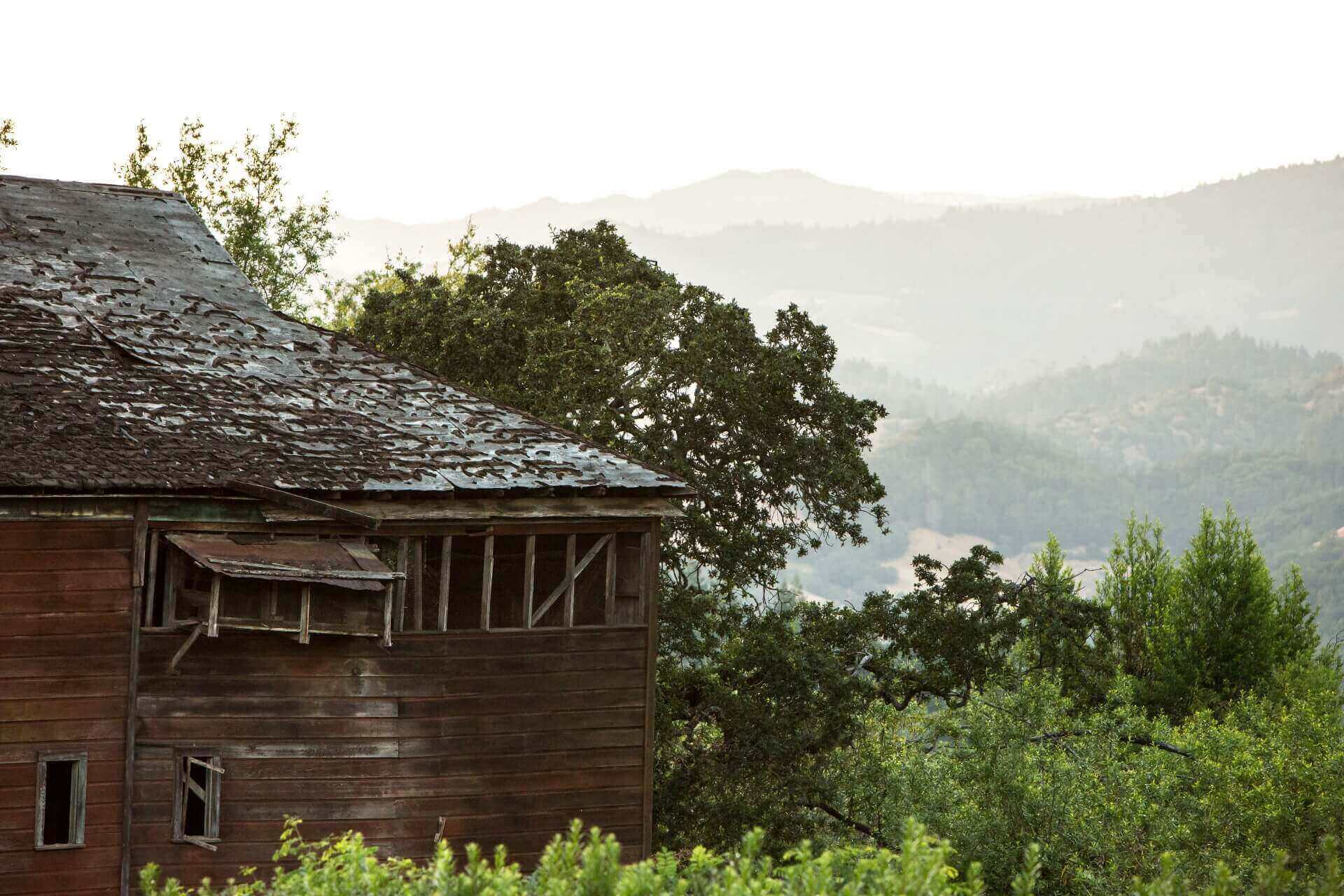
At the time of purchase, the property had fallen into disrepair. The Calistoga winery estate’s historic buildings were in shambles, and the vineyards were overgrown and deer-ravaged. With a vision for what the property could be, the Itkins set out to achieve its fullest potential. Their first step was to enlist an architect who could appreciate the site’s historic nature and unique geographic features. They found a like-minded partner in famed San Francisco architect Richard Beard, who shared their desire to preserve as many of the winery’s storied, 19th-century structures as possible while also creating a cutting-edge, site-sensitive winemaking facility for boutique wine production and luxury hospitality experiences.
The first phase of construction was the restoration of the historic Cole House and schoolhouse. Both restorations involved peeling back more than a century’s worth of renovations to reveal the original structures. Along the way, reclaimed wood from the project was saved and repurposed. Today, both exteriors appear much as they did in the 1800s, with modern interior spaces creating inviting and comfortable surroundings for the Itkins and their extended family and friends.
Next came the construction of the winery itself, which Beard designed with substantial input from Theorem Vineyards’ winemaker Thomas Rivers Brown. The building takes inspiration from the area’s agricultural buildings to honor Napa Valley history. Inside, the winery is equipped for small-lot, world-class winemaking.
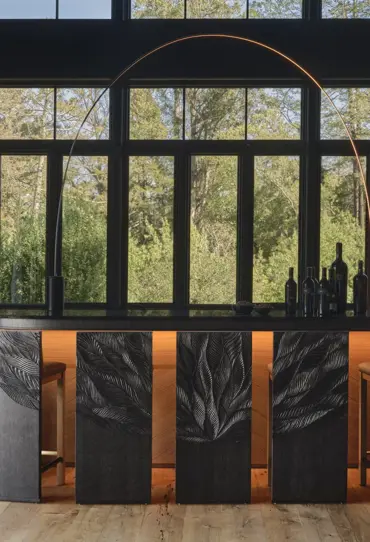
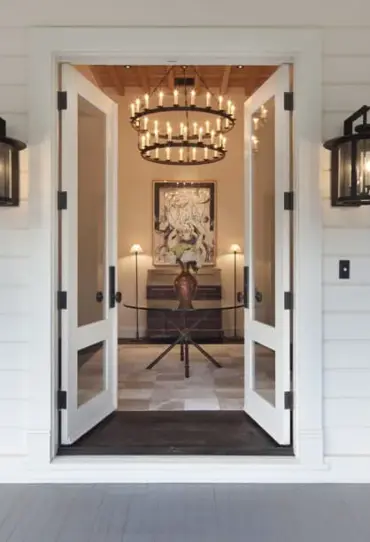
During the design process, meticulous attention was also given to the luxury hospitality experience: from the trellis and welcome area, to the soaring and light-filled fermentation room, to the subterranean barrel room where the tasting experience begins, every detail ensures a luxurious and personalized encounter. Carefully curated art, artifacts, and other furnishings collected by the Itkins further enhance a variety of intimate tasting spaces. Additional outdoor areas, including a patio in front of the schoolhouse, at the Calistoga winery property’s lookout point with stunning views of Mount St. Helena, and more, create inviting spots to stop and sip at every turn.

The final element of the initial construction effort was the Long Barn. Originally a chicken coop, the lengthy building was carefully restored and is now used for entertaining Theorem’s visitors. Flanked by flower and vegetable gardens, the Long Barn patio creates an enticing exterior space for wine tasting al fresco. Here, visitors can enjoy some of the best views in Napa Valley, as well as a dramatic key sculpture that pays homage to the key featured on the winery’s flagship estate wine—Voir Dire Diamond Mountain Cabernet Sauvignon.
With all major buildings restored and the winery completed, Theorem Vineyards officially opened its doors to the public on September 15, 2018. Coinciding with the opening, the winery also launched its hospitality program offering tastings and tours featuring fine wines and magnificent mountain and vineyard vistas. Limited to just a few people at a time, visitors can enjoy a private wine tasting experience that is both intimate and nuanced. Visits are by appointment only.
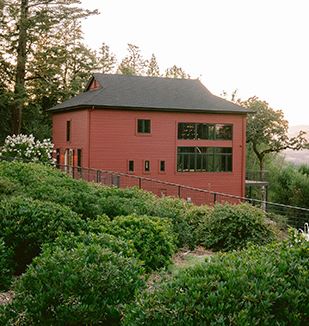
A Historic Napa Valley Barn Rises Again
The second phase of restoration centered on the fourth and final historic building on the estate: a two-story barn the original owners built into the hillside in the 1880s. Restoring it meant years of working with Napa County on the exacting terms of historic preservation. By the time Beard had the plans in hand, the structure was condemned — and then a storm moved through and sent the barn down the slope. The collapse could have ended the project. Instead, it freed it: a rebuild on the same footprint, no longer held to the terms of historic preservation, able to become more than the original barn could have.
The new barn keeps faith with what stood here. It occupies the same footprint as the original and is framed with salvaged first-growth Redwood planks and reclaimed materials carried forward from the structures that once stood on the property, with burnished-red oak echoing the original. Inside, soaring ceilings rise over hand-carved furniture and a lounge set with the Itkins' family artifacts, anchored by a pair of antique bank doors brought from Paris. Off the lounge, a wrap-around deck was adding to the original design, with sweeping mountain views across Napa Valley.
Heritage Vineyard Renewal on Diamond Mountain
Alongside construction efforts, the rehabilitation and restoration of Theorem’s Diamond Mountain heritage vineyard, home to the increasingly rare Clone 8 Cabernet Sauvignon, planted in 1985. The Itkins have always believed that great grapes make great wine. To make sure that they had the best of the best, they turned to two of the most talented people in the wine industry: Winemaker Thomas Rivers Brown and Viticulturist Josh Clark. Starting with the very first vintage in 2012, the two men went to work. They redeveloped and replanted several vineyard blocks, adding additional heritage clones, but chose to keep one old-vine block of Clone 8 Cabernet Sauvignon, which now yields exceptional, high-quality fruit. That decision proved to be the right one—the grapes were transformed into an otherworldly wine, and these historic old vines today remain the prized fruit source for the winery’s flagship Napa Valley Cabernet Sauvignon, Voir Dire.
The vineyard restoration project continued with the planting of the 2+-acre Hawk’s Prey Cabernet Sauvignon block in 2014. For this special plot, Thomas Rivers Brown chose the Jenkins clone of Cabernet Sauvignon. Descended from Lafite Rothschild in France’s famed Bordeaux winegrowing region, the suitcase clone comes from a family of vines producing multiple, top-rated wines. The resulting wine is elegant, complex, and beautifully integrated—reflecting both its Bordeaux-to-Napa pedigree and its high-elevation Diamond Mountain terroir.
Also planted in 2014 was the winery’s sole Merlot block. Facing the northeast with cooling winds and a longer ripening season, the block’s micro terroir produces thicker-skinned grapes compared to valley floor fruit. The resulting wine is a “Cab drinker’s Merlot” with great color and bold flavors balanced by good tannic structure and mouth-watering acidity.
In 2016, vineyard development efforts continued with the vineyard known simply as the “Rocky Block” due to the numerous massive rocks (remnants of prehistoric volcanic activity) found there. To prepare the vineyard for planting, the Theorem team brought in a rock crusher to break the rocks into smaller pieces, which were then tilled back into the soil. The rocky soils force vine roots to dig deep for water and nutrients—yielding a more powerful Diamond Mountain Cabernet Sauvignon with intense color, great aromatics, bold flavors, and impressive tannic structure.
In Pursuit of White Wines: Moon Mountain District Estate Vineyard
The Itkins have a particular passion for mountain fruit. They also love producing wines that they themselves love to drink. Given their initial success on Diamond Mountain, the Itkins wanted more: in addition to the expressive, high-elevation reds from their home vineyard, they sought another mountainous site for producing crisp, high-acid white wines and other distinctive varietals.
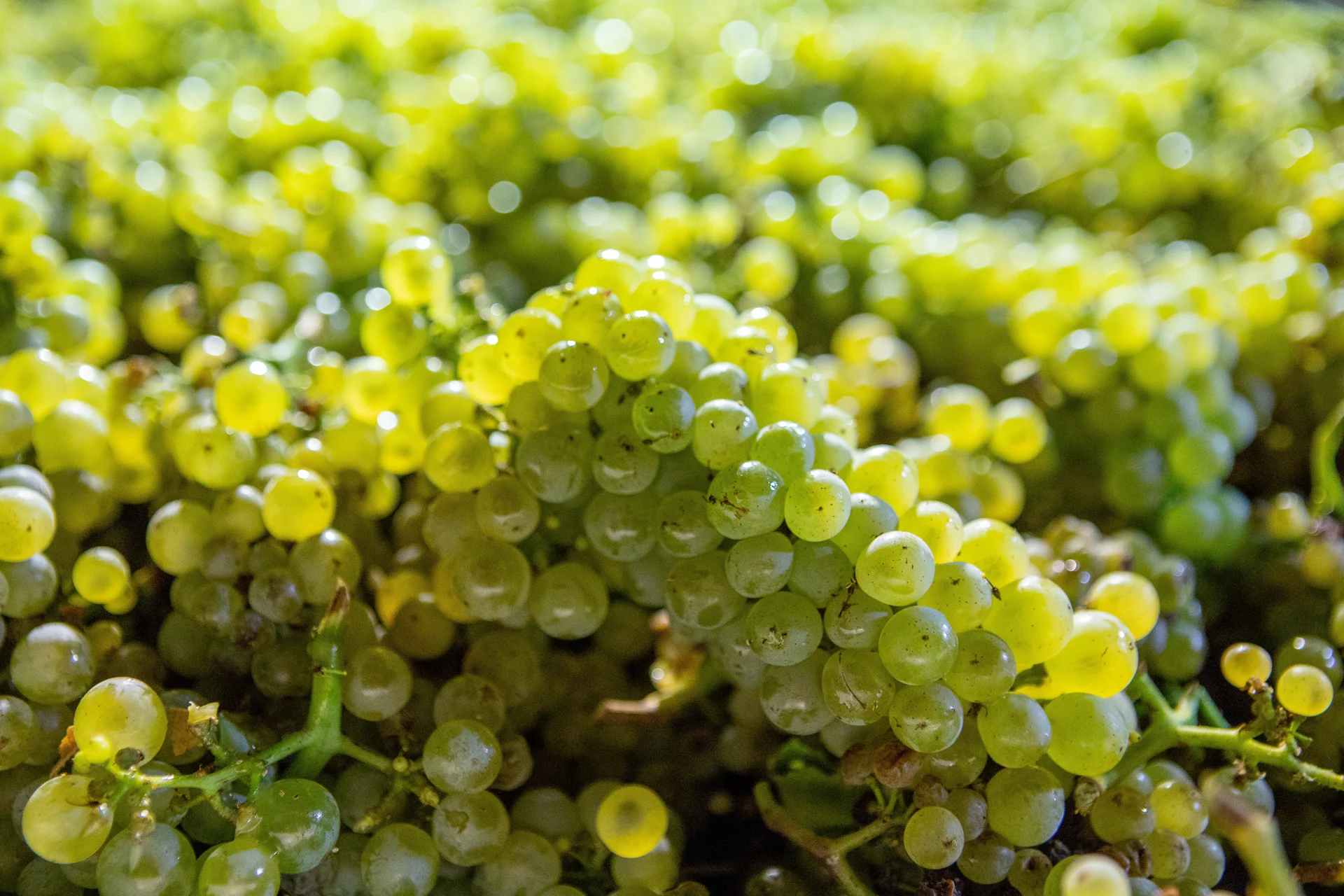
Their search culminated with the purchase of a 34-acre property on Moon Mountain, next to Mt. Veeder on the Napa-Sonoma county border. Rising to 1,800 feet of elevation, with ideal volcanic soils and ample sunlight, the vineyard enjoys cooling breezes from San Pablo Bay and the Pacific Ocean. From this specific microclimate, Theorem currently produces three vibrant whites: the Theorem Vineyards Moon Mountain District Chardonnay, Moon Mountain District Sauvignon Blanc, and a grand-cru-style Blanc de Blancs sparkling wine. High-elevation wine aficionados can also look forward to future vintages of other varietal wines from this exceptional estate vineyard, including: Theorem Vineyards Moon Mountain District Syrah, Cabernet Sauvignon, and a Grenache/Syrah/Mourvedre blend.
What’s Next: The Theorem Collection Lifestyle
Theorem began on Diamond Mountain, and the estate became the first of what Kisha and Jason Itkin would build into the Theorem Collection, a portfolio of working estates offering luxury hospitality experiences. They purchased 20,000 acres in Big Timber, Montana, in 2020, establishing Theorem Ranch, then added a performance horse institute on nearly 1,000 acres in Parker County, Texas, in 2026. Each destination makes the same case: you should never have to choose between the wild and the refined. Theorem Ranch is its own world, and the winery is the way in. It begins with one bottle, and opens from there.